
It’s the sound of machines whirring, the hiss of steam, and the vibrant splash of color that brings fabrics to life. In a textile factory, dyeing is a pivotal process that transforms raw fabrics into wearable art. Yet behind the seemingly simple act of coloring lies a complex web of chemistry, logistics, and technical expertise. It’s an industry that thrives on innovation, but also one that struggles with the unpredictability of chemical formulations, quality control, environmental concerns, and regulatory compliance.
Take, for example, a textile manufacturer in India, one of the largest producers of cotton fabrics in the world. When they approached a dyes and specialty chemical supplier, they had more than just price in mind. They needed a sustainable solution to keep up with global demands for greener practices, the ability to meet the ever-changing regulatory environment, and consistent performance in their dyeing operations. In this rapidly evolving world, it’s not just about choosing the right dye but about choosing the right partner.
This scenario is not unique. Across the textile industry, whether in Bangladesh, Turkey, or Brazil, manufacturers are increasingly looking to their dye and chemical suppliers not just for products but for solutions. But what are the most frequently asked questions that these textile players pose to dye, intermediates, and specialty chemical manufacturers? And what are the answers that aren’t always front and center in most blogs?
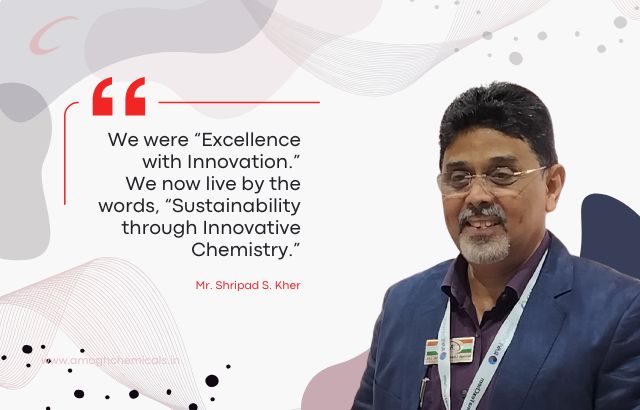
To help shed light on these frequently asked questions and provide expert insights, we spoke with Mr. Shripad S. Kher, Director of Business Development at Amogh Chemicals, a leader in dyes and specialty chemicals. Amogh Chemicals, with its decades of experience, is well-versed in solving the challenges faced by the textile industry. Mr. Kher’s expertise provides invaluable perspective on the evolving needs of textile manufacturers.
Let’s dive into the most frequently asked questions from textile industry players to dye and specialty chemical manufacturers.
1. How can we ensure dye consistency and quality across large-scale productions?
When textile manufacturers scale up production, maintaining color consistency becomes a major concern. This is especially true when dyeing different batches of fabric or when working with a variety of fibers. Variations in dye batches can lead to uneven shades, resulting in rejected products and costly rework.
Answer: Mr. Shripad Kher explains, “Consistency in dyeing is paramount to a textile manufacturer’s reputation and business success. Dye lot matching is crucial, but it’s also important to account for variables like pH, temperature, and water hardness, which can vary even within the same production facility.”
2. What role do intermediates play in dyeing, and how can they optimize costs?
Intermediates are essential in the creation of high-quality dyes, but their role often goes unnoticed. These chemical precursors play a crucial part in dye stability, affinity to fibers, and color intensity.
Answer: “Intermediates are often the unsung heroes in the dyeing process,” Mr. Kher states. “They affect everything from color fastness to chemical consumption, and by optimizing intermediates, manufacturers can significantly lower costs. It’s all about finding the right balance between performance and cost.”
He adds, “For instance, improving the purity of intermediates can enhance dye uptake and reduce wastage, which translates into cost savings in the long run.”
Real-life example: A Chinese textile manufacturer looking to optimize its operations switched to an advanced intermediate that reduced their dye usage by 10%. Not only did this save on raw material costs, but it also decreased their environmental footprint by reducing effluent waste.
3. How can dyes be made more sustainable without compromising performance?
Sustainability in the textile industry is no longer optional. With stricter environmental regulations and growing consumer demand for eco-friendly products, textile manufacturers are seeking dyes that are not only effective but also sustainable.
Answer: “Sustainability is a priority at Amogh Chemicals,” Mr. Kher notes. “We are investing heavily in alternative dyes that use less water, energy, and harmful chemicals. We’ve also developed a line of biodegradable dyes and dyes sourced from natural materials, which help reduce the environmental impact.”
He adds, “However, manufacturers must balance sustainability with performance. A dye that’s eco-friendly must still deliver on quality, color fastness, and consistency.”
Real-life example: A textile producer in India implemented a waterless dyeing process using supercritical CO2, which reduced water usage by 80%. While the initial investment was high, the company saw significant long-term savings in operational costs and avoided potential fines due to wastewater disposal issues.
4. What’s the latest in digital and smart dyeing technologies?
The future of textile dyeing is increasingly driven by digital technologies. From digital inkjet printing to AI-based color prediction, these innovations are revolutionizing the industry.
Answer: “We are seeing incredible advancements in digital dyeing technology,” Mr. Kher shares. “Digital printing, for example, allows manufacturers to dye directly onto fabric with minimal waste. Moreover, smart sensors embedded into dyeing machines can now monitor and adjust parameters in real-time to maintain color consistency and reduce errors.”
He adds, “These smart systems can also help manufacturers adapt to rapidly changing demands, reducing time to market and improving production efficiency.”
Real-life example: A fashion brand in Italy adopted digital inkjet printing technology, which allowed them to cut dyeing time by 50% and reduce water consumption by 60%. This not only helped meet the growing demand for faster production cycles but also aligned with their sustainability goals.
5. What regulatory challenges should we be aware of in the global market?
As global regulations around chemical usage tighten, textile manufacturers are under increasing pressure to ensure compliance with various international standards, such as REACH (Registration, Evaluation, Authorization, and Restriction of Chemicals) and the ZDHC (Zero Discharge of Hazardous Chemicals) program.
Answer: “Compliance is a critical issue for textile manufacturers, especially those exporting products globally,” explains Mr. Kher. “Each region has its own regulations. For example, the European Union’s REACH regulations restrict the use of certain chemicals in dyes, while China has its own set of standards. Working with a supplier who is up-to-date on these regulations is essential to avoid costly fines and market disruptions.”
Real-life example: A major textile producer in Italy was recently fined for non-compliance with REACH regulations regarding azo dyes, which led them to overhaul their testing and compliance systems. They now rely on their chemical suppliers, like Amogh Chemicals, for up-to-date information and testing to ensure ongoing compliance.
Conclusion: The Power of Partnerships in Dyeing

As the textile industry faces new challenges and opportunities, the relationship between dye and specialty chemical suppliers and manufacturers has never been more critical. As Mr. Kher from Amogh Chemicals emphasizes, “It’s not just about selling a product. It’s about being a trusted partner who can provide tailored solutions to help manufacturers meet their sustainability goals, enhance efficiency, and ensure product quality.”
By addressing the questions that go beyond the basics, dye suppliers can play a vital role in helping textile manufacturers stay competitive, compliant, and sustainable in a rapidly evolving market.
FAQ:

- What are some common problems with dyeing processes?
- Inconsistent color, poor wash fastness, and high chemical usage are common challenges faced during dyeing.
- How can we improve the environmental impact of dyeing?
- By using waterless dyeing technologies, reducing chemical usage, and adopting sustainable dyes that are biodegradable.
- Are there alternatives to synthetic dyes that still perform well?
- Yes, plant-based dyes are gaining popularity, though they often come with challenges like lower colorfastness and limited color range.
- How can I ensure my dye supplier meets international standards?
- Request certifications like ISO 14001 (Environmental Management) or REACH compliance and inquire about their testing procedures.
Disclaimer:
The information provided in this blog post is for general informational purposes only. While we strive to ensure the accuracy of the content, it is not intended as professional advice. The views and opinions expressed by industry experts are their own and may not reflect those of all textile manufacturers or suppliers. Always consult with a qualified professional or specialist for advice specific to your business needs or circumstances.