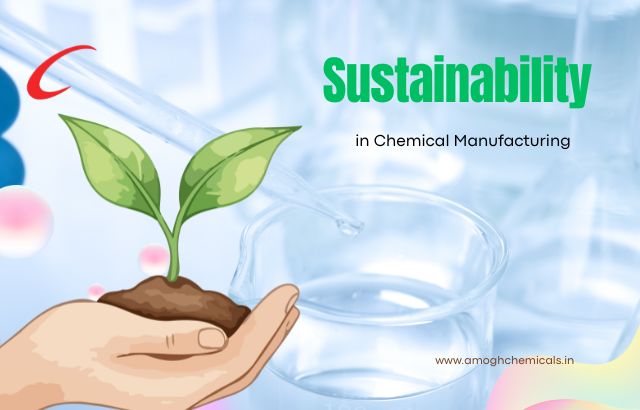
In an era where environmental responsibility is no longer just an option but a necessity, Amogh Chemicals stands out as a leader in sustainable chemical manufacturing. As one of the premier companies in the chemical industry, Amogh Chemicals has taken significant strides to reduce its environmental impact. Through innovative solutions in energy efficiency, waste management, and the integration of renewable energy, the company is shaping the future of eco-conscious manufacturing.
Energy Efficiency: A Core Focus for Amogh Chemicals

One of the most impactful ways that Amogh Chemicals has reduced its carbon footprint is through enhanced energy efficiency. The company has implemented advanced technologies that optimize energy consumption across its production processes.
- Upgraded Equipment: Amogh Chemicals has invested in state-of-the-art machinery and equipment that are designed to minimize energy usage without compromising on performance. This includes energy-efficient pumps, motors, and heat exchangers that reduce overall energy demand.
- Energy Audits and Monitoring: Regular energy audits help the company identify inefficiencies in its manufacturing processes. By continually monitoring energy consumption patterns, Amogh Chemicals ensures that they are operating at peak efficiency and quickly addressing any deviations.
- Process Optimization: The company also focuses on optimizing its production processes to reduce unnecessary energy expenditure. By streamlining operations, improving heat recovery systems, and minimizing idle times, Amogh Chemicals has been able to significantly lower its energy usage.
Waste Management: Turning Waste into Resources
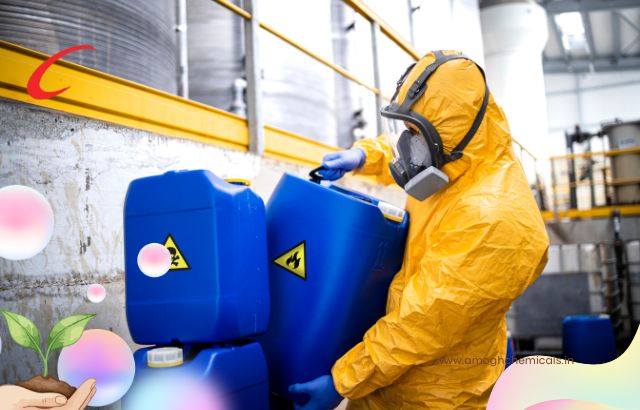
Waste management is another critical area where Amogh Chemicals is leading the charge in sustainability. The company recognizes that reducing waste not only conserves natural resources but also prevents harmful materials from entering landfills or contaminating the environment.
- Zero-Waste Initiatives: Amogh Chemicals is working towards achieving zero-waste manufacturing by minimizing waste at every stage of production. By implementing advanced sorting and recycling systems, the company recycles a substantial portion of its waste materials.
- Circular Economy Practices: The company has embraced circular economy principles, finding ways to repurpose by-products and waste materials into usable resources. For example, waste solvents and chemicals are often distilled and reprocessed for reuse in the manufacturing cycle, reducing the need for new raw materials.
- Hazardous Waste Disposal: For waste materials that cannot be recycled or reused, Amogh Chemicals adheres to strict regulations for safe disposal. The company works closely with certified waste management partners to ensure that hazardous materials are disposed of in compliance with environmental safety standards.
Renewable Energy: Powering the Future of Manufacturing
In line with global trends toward renewable energy, Amogh Chemicals has committed to reducing its reliance on fossil fuels. By incorporating renewable energy into its manufacturing processes, the company is significantly reducing its carbon emissions.
- Solar Power Integration: One of the most notable initiatives is the installation of solar panels on the company’s manufacturing facilities. These solar power systems generate a substantial portion of the electricity needed to run operations, further decreasing the company’s dependence on grid power.
- Green Power Purchase: In addition to generating its own renewable energy, Amogh Chemicals has entered into power purchase agreements (PPAs) with green energy suppliers. This allows the company to support and benefit from the growth of renewable energy sources, such as wind and solar.
- On-Site Renewable Energy Projects: Amogh Chemicals continues to explore innovative ways to integrate more renewable energy sources on-site. From biomass energy to hydrogen fuel cells, the company is dedicated to expanding its renewable energy portfolio.
Sustainable Supply Chain: Partnering for a Greener Future
Amogh Chemicals recognizes that sustainability doesn’t stop at the factory gates. To further reduce its environmental impact, the company works closely with suppliers to ensure that sustainability is embedded throughout its supply chain.
- Green Procurement: The company prioritizes sourcing materials from environmentally responsible suppliers. This includes raw materials that are sustainably harvested, as well as packaging materials that are recyclable or biodegradable.
- Collaborating for Sustainability: Amogh Chemicals collaborates with industry partners and environmental organizations to share best practices, develop new sustainability technologies, and create shared value for a greener future.
Why Sustainability Matters for Amogh Chemicals
Sustainability is at the heart of Amogh Chemicals’ mission, not only because it is good for the planet but also because it’s good for business. By adopting eco-friendly practices, the company:
- Reduces Operational Costs: Energy efficiency and waste reduction lead to cost savings, which can be reinvested into further sustainable initiatives.
- Enhances Reputation: As sustainability becomes an increasingly important factor for consumers and investors, Amogh Chemicals’ commitment to the environment boosts its brand reputation.
- Complies with Regulations: With governments around the world tightening regulations on emissions and waste, Amogh Chemicals ensures it stays ahead of the curve by adhering to environmental standards.
The Future of Sustainability at Amogh Chemicals
Amogh Chemicals continues to evolve its sustainability practices. The company is actively investing in R&D to develop new, more sustainable chemical processes and products. Its goal is not just to meet current environmental standards but to lead the way in innovation, reducing the carbon footprint of the chemical manufacturing industry as a whole.
With a deep commitment to sustainability, Amogh Chemicals is proving that it is possible to balance profitability with environmental responsibility, setting a standard for others in the industry to follow.
FAQs
1. What steps has Amogh Chemicals taken to improve energy efficiency?
Amogh Chemicals has upgraded its machinery, optimized production processes, and conducted regular energy audits to identify and eliminate inefficiencies. These measures have helped reduce the overall energy consumption across the company’s operations.
2. How is Amogh Chemicals managing waste in its manufacturing processes?
The company is implementing zero-waste initiatives by recycling a significant portion of its waste materials. By adopting circular economy practices, it repurposes by-products and ensures that hazardous waste is safely disposed of in compliance with regulations.
3. What renewable energy sources is Amogh Chemicals using in its operations?
Amogh Chemicals uses solar energy to power its manufacturing facilities and has also entered into green power purchase agreements. The company is exploring additional renewable energy options like biomass and hydrogen fuel cells for future integration.
4. How does Amogh Chemicals collaborate with its supply chain to promote sustainability?
Amogh Chemicals works closely with suppliers who prioritize sustainable practices, such as sourcing eco-friendly raw materials and using recyclable packaging. The company also partners with environmental organizations to share knowledge and create sustainable innovations.
5. What are the long-term sustainability goals for Amogh Chemicals?
Amogh Chemicals aims to continually improve its sustainability practices, focusing on reducing carbon emissions, minimizing waste, and expanding its use of renewable energy. The company is also investing in research and development to create even more sustainable chemical manufacturing processes and products.
By embedding sustainability into every aspect of its business, Amogh Chemicals is demonstrating that a commitment to the planet is not just good for the environment, but also good for business. The company’s forward-thinking initiatives set a strong example for the future of sustainable manufacturing in the chemical industry.